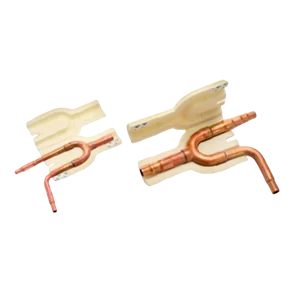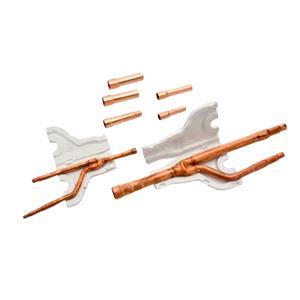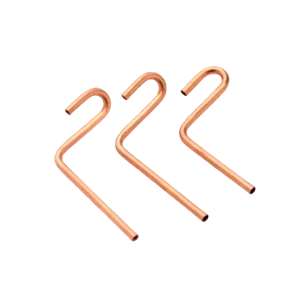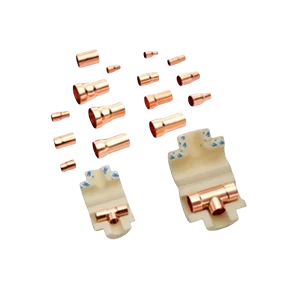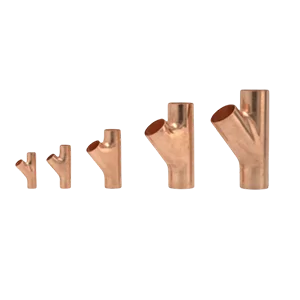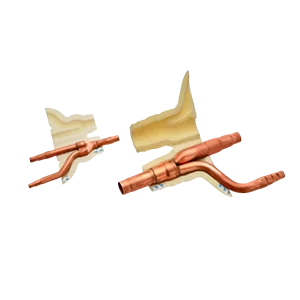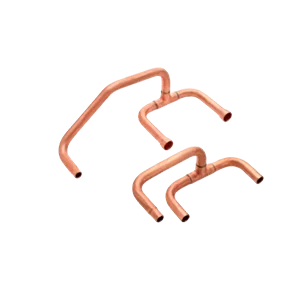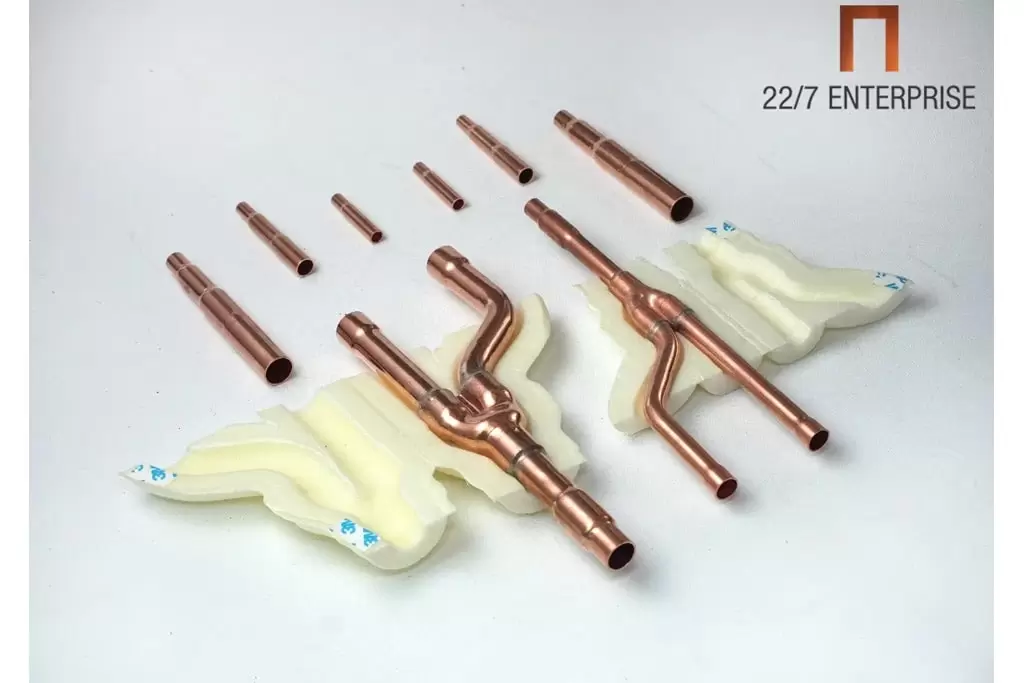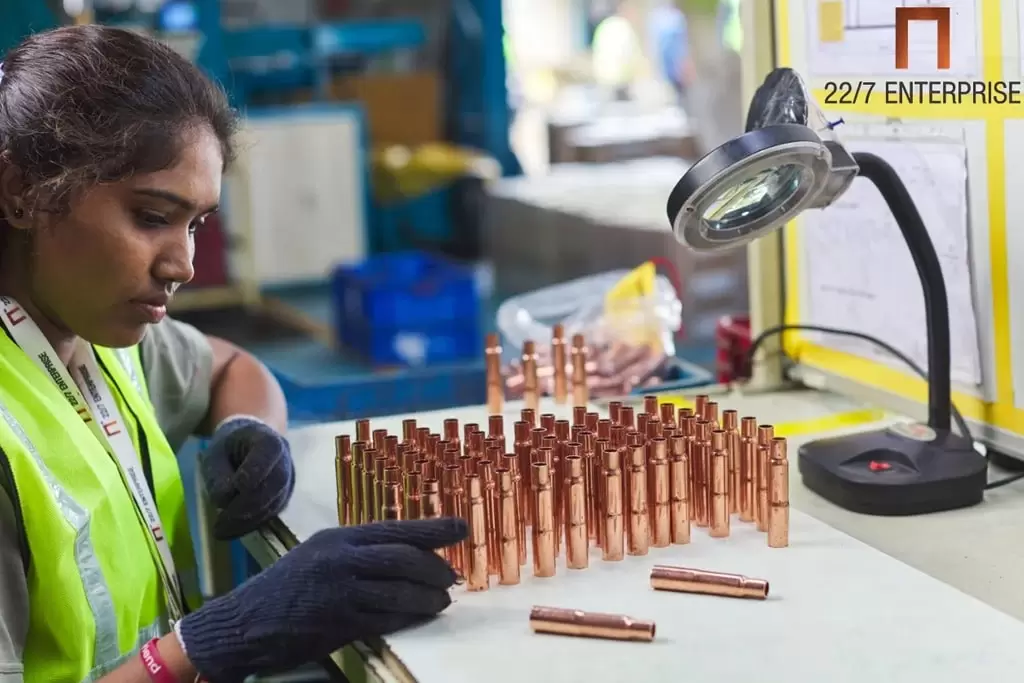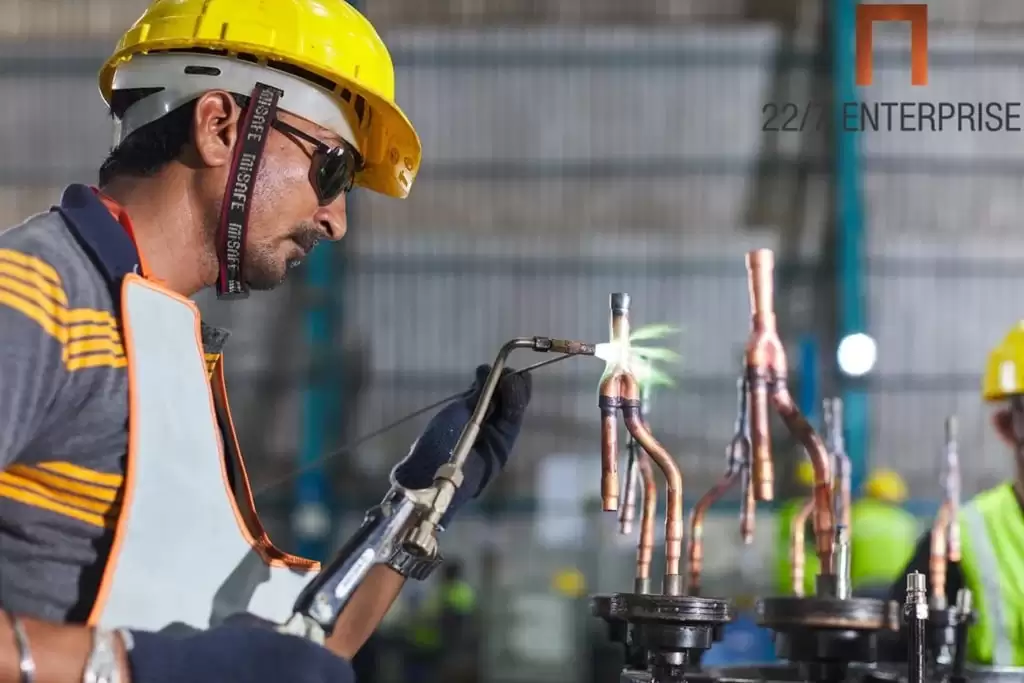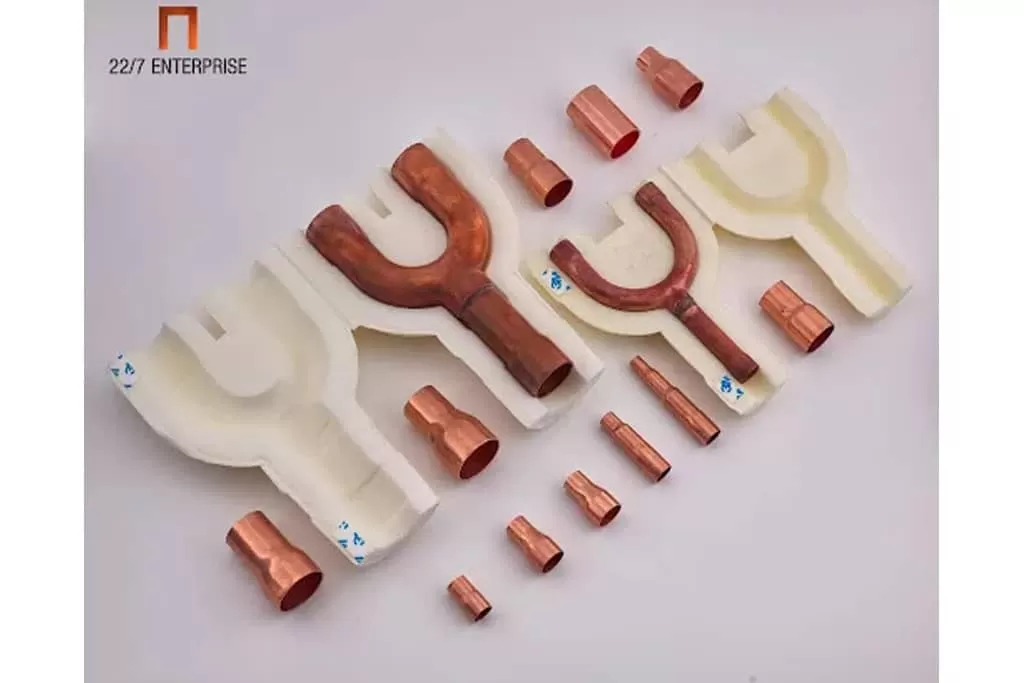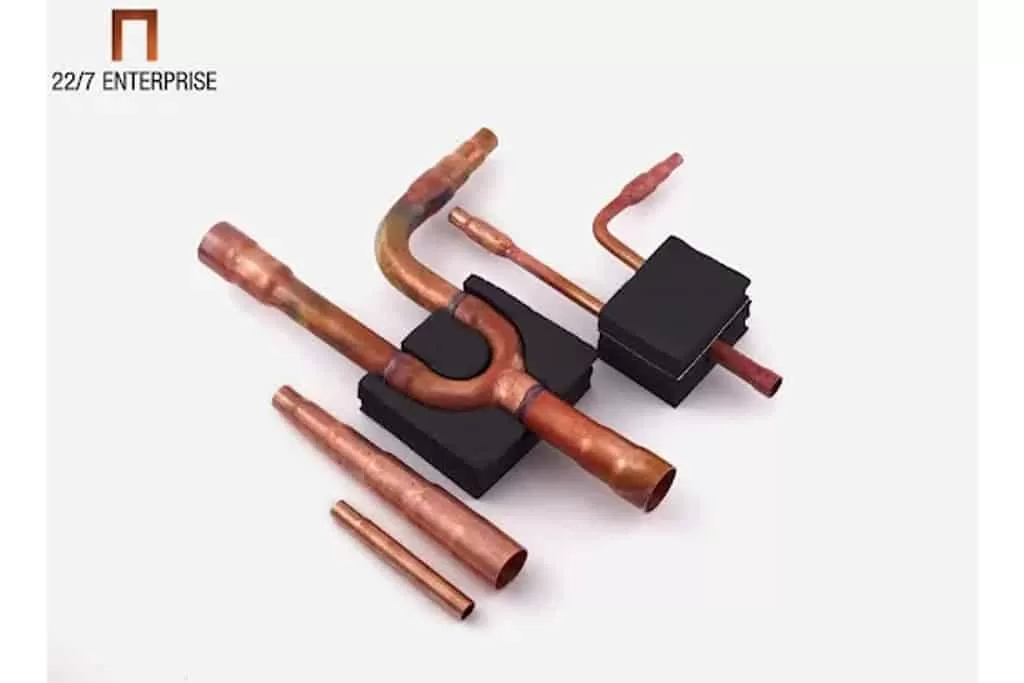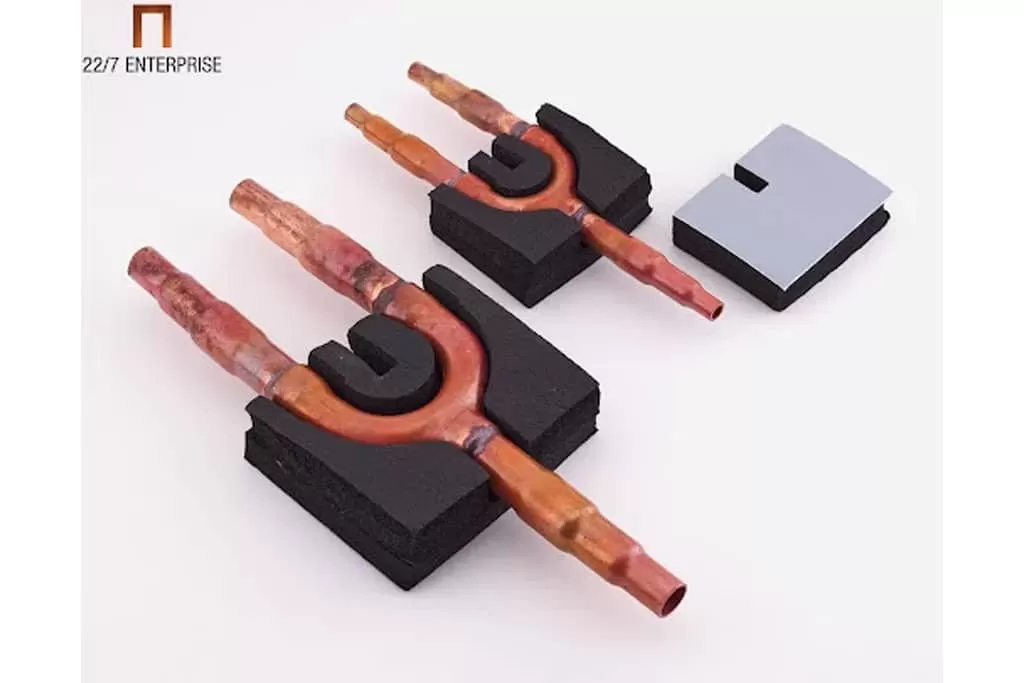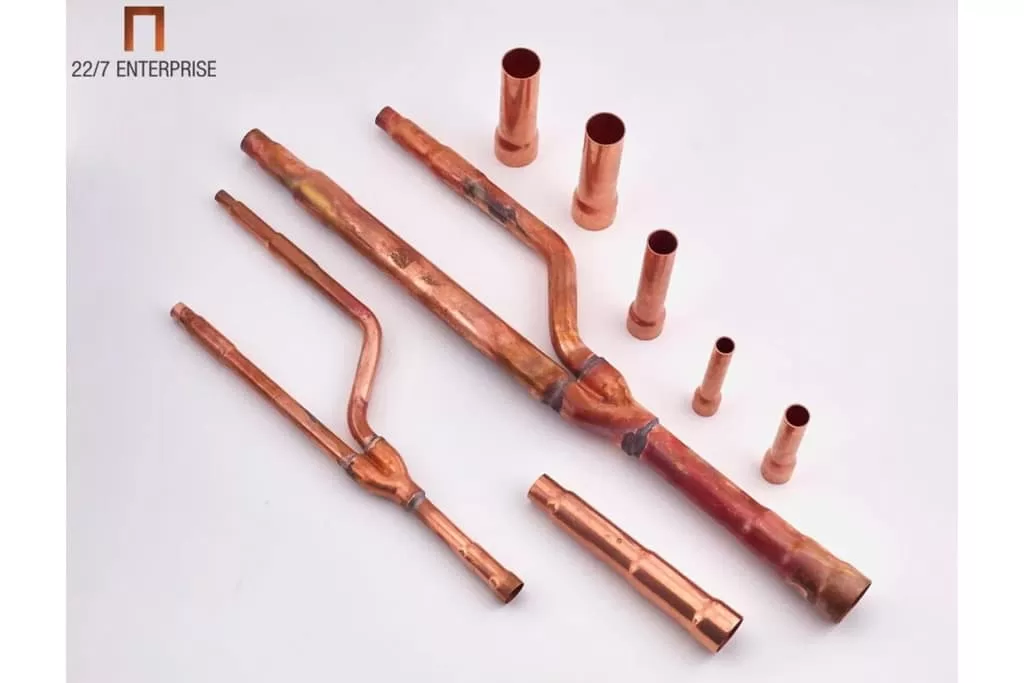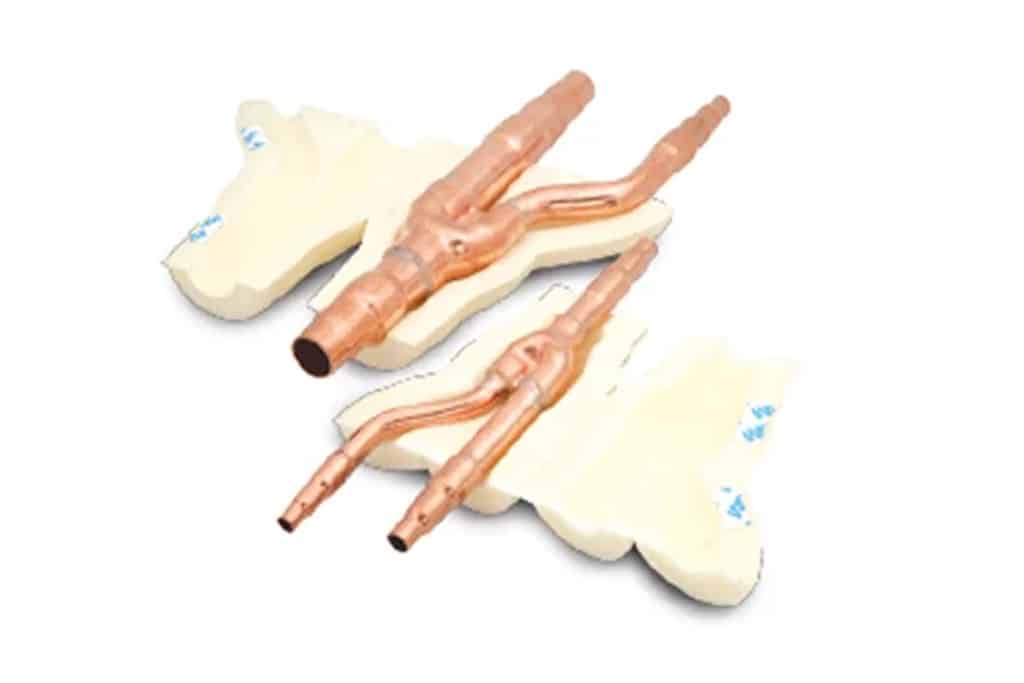

227 Enterprise – VRF Joints and Refrigerant Copper Fittings

Copper Strainers

The Critical First Line of Defense for VRF & VRV System Longevity

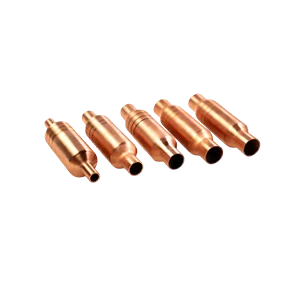
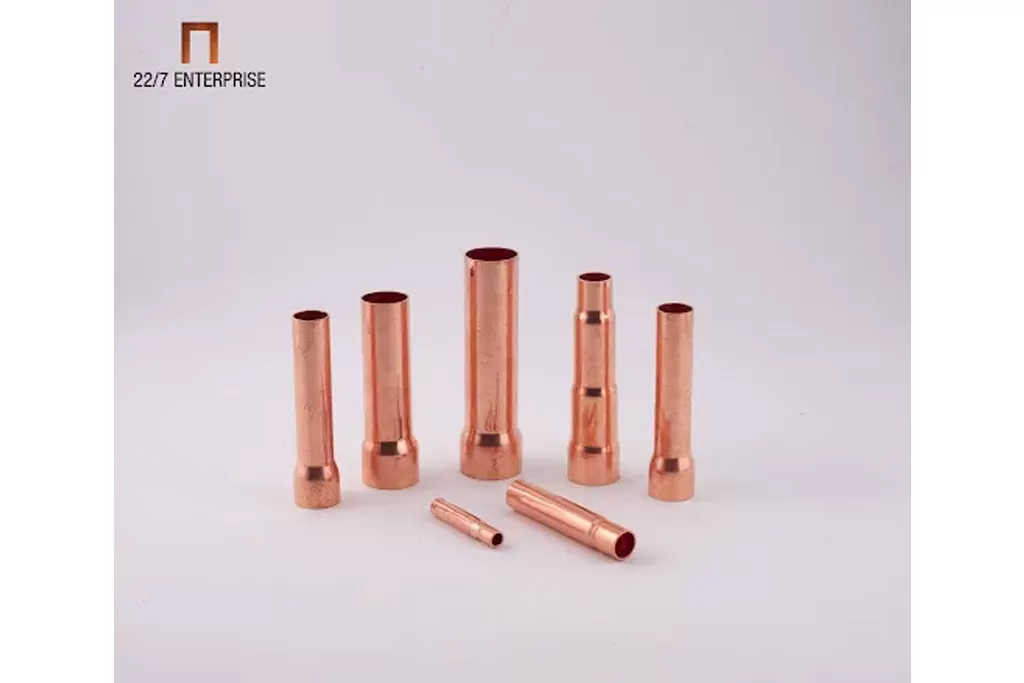
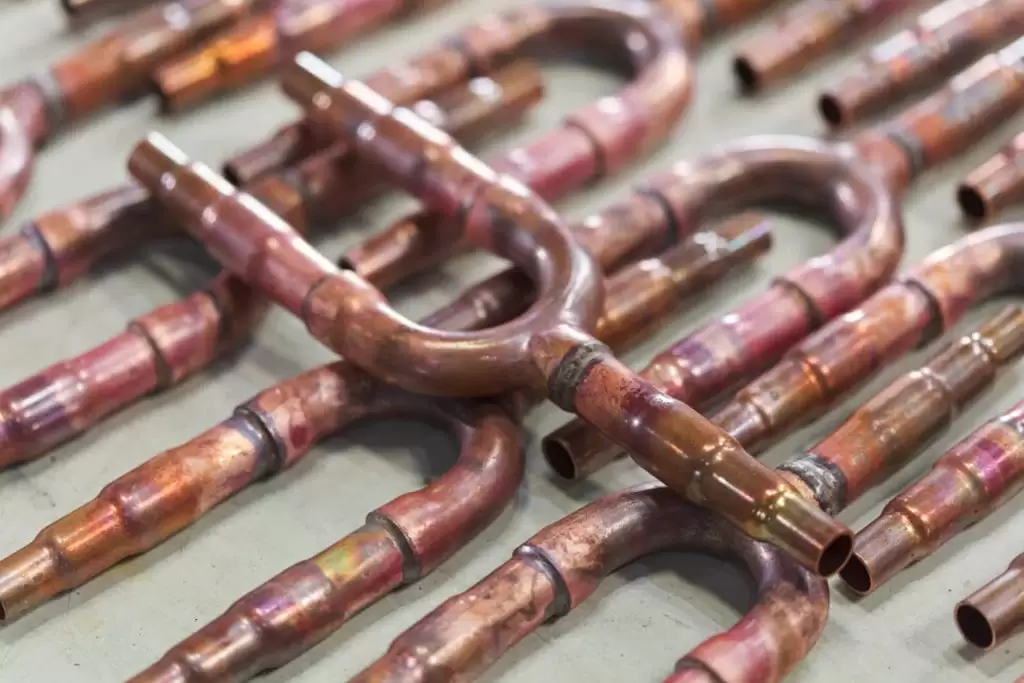
227 Enterprise supplies copper strainers for HVAC and refrigeration that trap solid particles before they reach expansion valves, metering devices, or compressors. Made from quality copper, they resist corrosion, keep pressure drop low, & help systems run smoothly even under demanding operating conditions.

Sizes from 1/4″ to 5/8″ OD are available in a single-piece copper body fitted with 100–140 mesh stainless steel screens for proper filtration. Nitrogen purging keeps the inside clean, and RoHS-compliant manufacturing supports environmental needs. Used in AC, heat pump, refrigeration, and VRF/VRV systems for reliable long-term service.

Copper
Strainers

FEATURES OF Copper Stainers

One-Piece Copper Construction
One-Piece Copper Construction

High-Grade Copper
High-Grade Copper

Precision Mesh Screen
Precision Mesh Screen

Negligible Pressure Drop
Negligible Pressure Drop

OEM Compatible Design
OEM Compatible Design

OUR Products

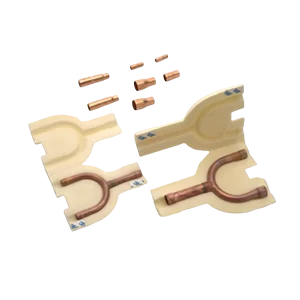
Universal<br> Branch Pipe

Universal
Branch Pipe

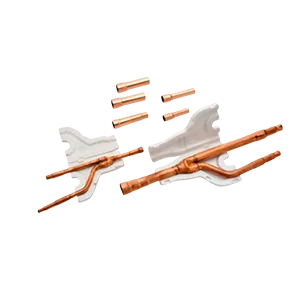
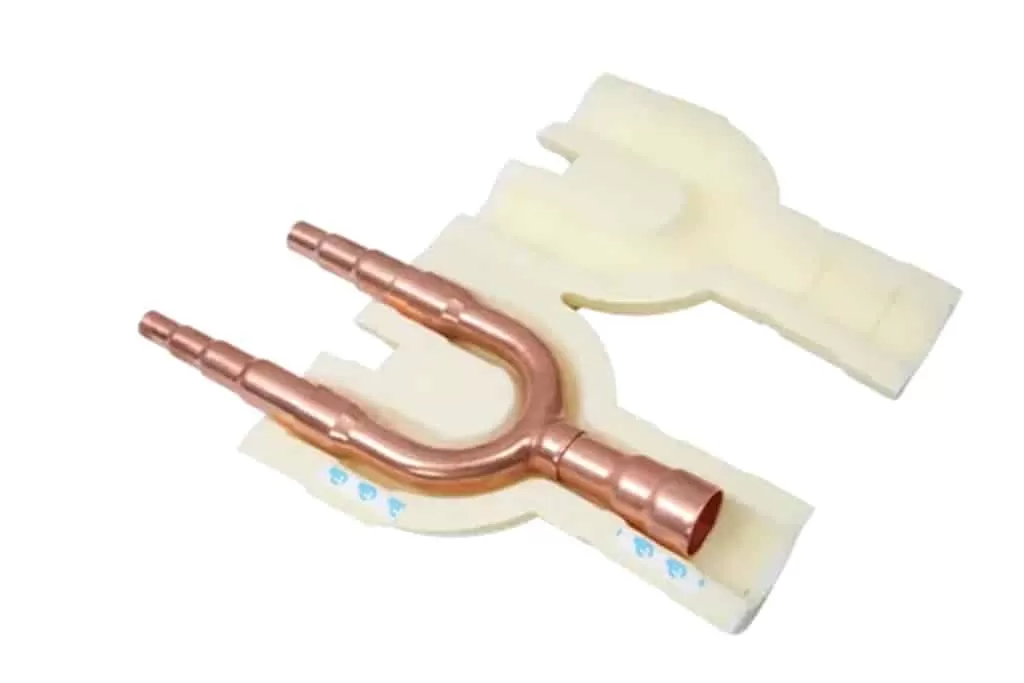
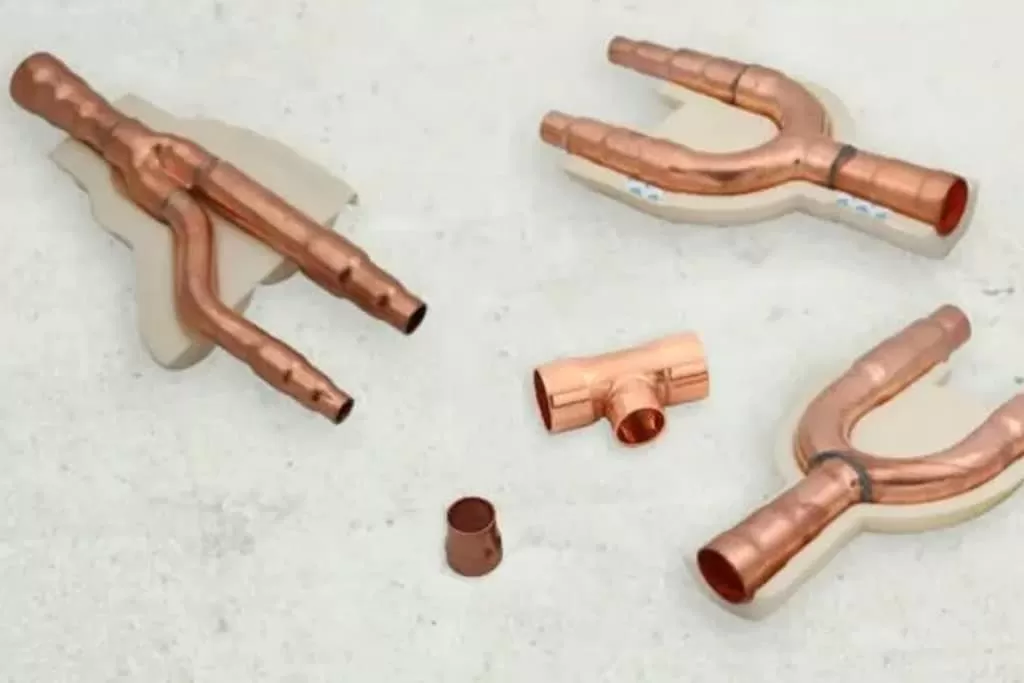
VRF Y Branch for VRF Air Conditioning Systems Compatible with R410 Refrigerant.

View Details
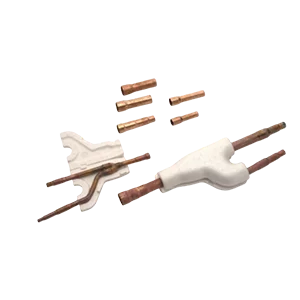
DA<br> Series

DA
Series

Refrigerant Branch Piping Kits for VRV / VRF Systems Operating with R410 Refrigerant.

View Details
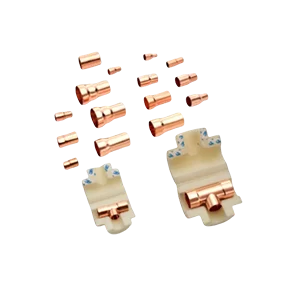
ME<br> Series

ME
Series

VRF Tee Joints for VRF Air Conditioning Systems Compatible with R410 Refrigerant.

View Details
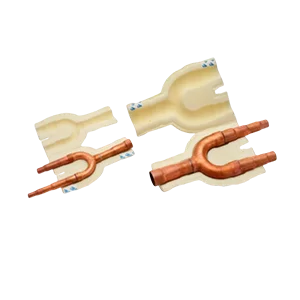
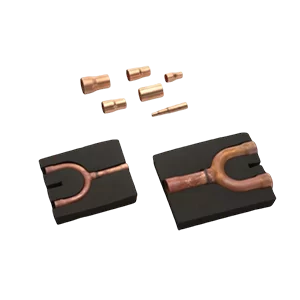
MI<br> Series

MI
Series

VRF Branch Pipe Kits for Reliable Refrigerant Distribution in VRF Systems

View Details
TA<br> Series

TA
Series

Refrigerant Branch Piping Kits for VRF Systems Operating with R410 Refrigerant

View Details
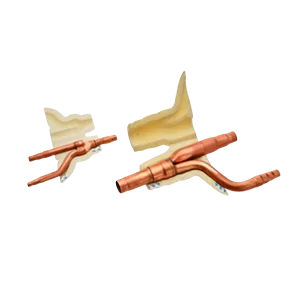
GR<br> Series

GR
Series

VRF Y Branch Refrigerant Distribution Kits for VRV / VRF Systems Operating with R410.

View Details
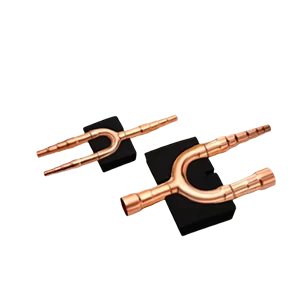
BSR<br> Series

BSR
Series

VRF Refrigerant Branch Piping Kits for VRF Air Conditioning Systems Compatible with R410A Refrigerant.

View Details
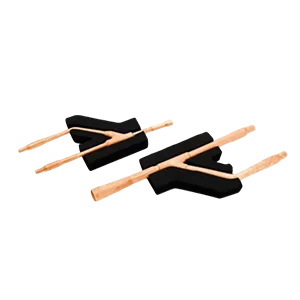
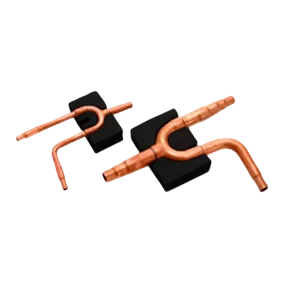
LG<br> Series

LG
Series

VRF Branch Pipe Kits for Reliable Refrigerant Distribution in VRF Systems.

View Details
HIT<br> Series

HIT
Series

VRF Y Branch Kits Engineered for R410 HVAC Applications.

View Details
HAE<br> Series

HAE
Series

VRF Refrigerant Branch Piping Kit for VRF Air Conditioning Systems Compatible with R410 Refrigerant.

View Details
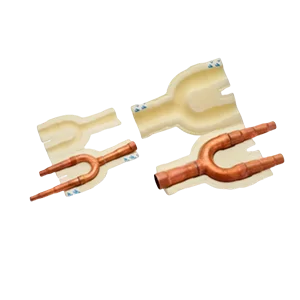
CL<br> Series

CL
Series

VRF Y Branch for VRF Air Conditioning Systems Compatible with R410 Refrigerant.

View Details
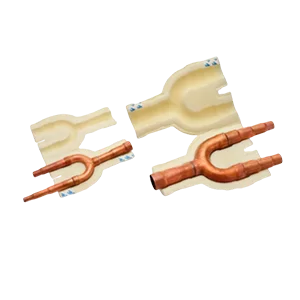
LNX<br> Series

LNX
Series

VRF Y Joints for VRF Air Conditioning Systems Compatible with R410 Refrigerant.

View Details
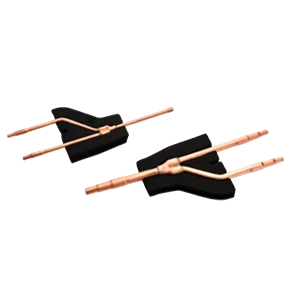
MHI<br> Series

MHI
Series

VRF Refrigerant Branch Piping Kit for VRF Air Conditioning Systems Compatible with R410 Refrigerant

View Details
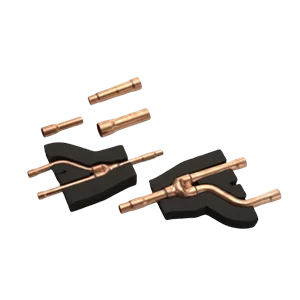
SAM <br>Series

SAM
Series

VRF Y Branch for VRF Air Conditioning Systems Compatible with R410 Refrigerant.

View Details
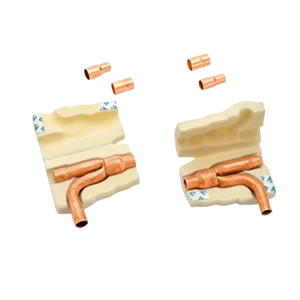
PNS <br> Series

PNS
Series

VRF Y Joints for VRF Air Conditioning Systems Compatible with R410 Refrigerant.

View Details
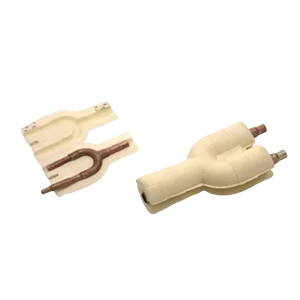
TRN <br> Series

TRN
Series

VRF Y Branch for VRF Air Conditioning Systems Compatible with R410 Refrigerant.

View Details
AX <br> Series

AX
Series

VRF Y Branch for VRF Air Conditioning Systems Compatible with R410 Refrigerant.

View Details
VRF Y<br> Joint

VRF Y
Joint

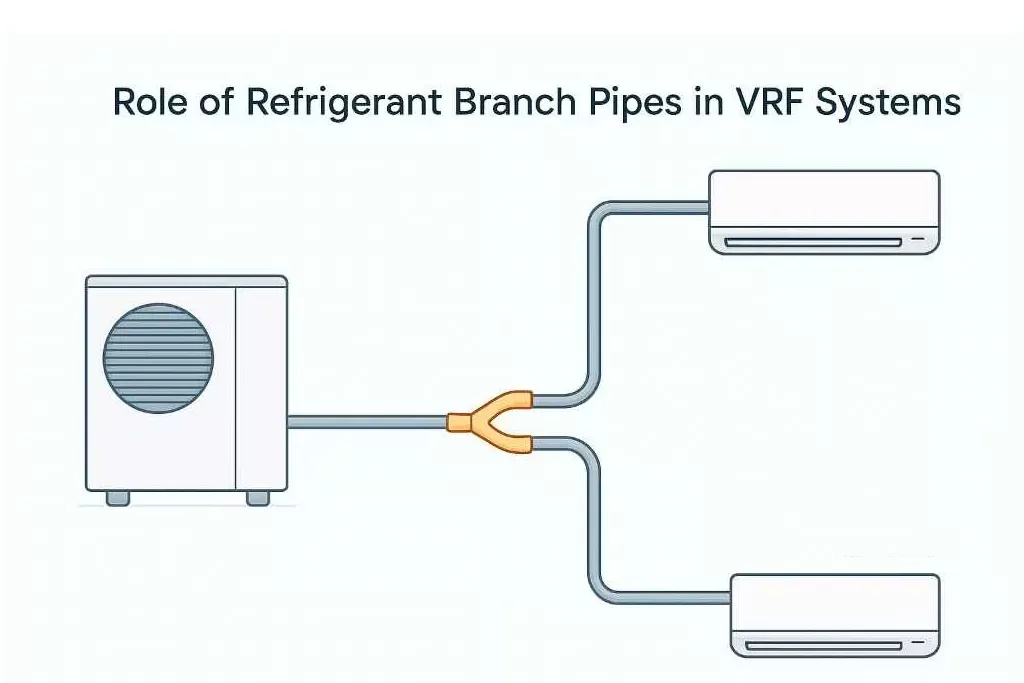
Precision Manufactured VRF Y Joints for Optimal Laminar Refrigerant Flow and Efficient System Performance.

View Details
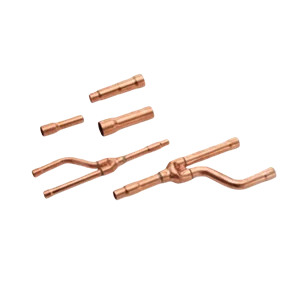
VRF Branch <br> Piping

VRF Branch
Piping

Precision Manufactured VRF Y Joints for Optimal Laminar Refrigerant Flow and Efficient System Performance.

View Details
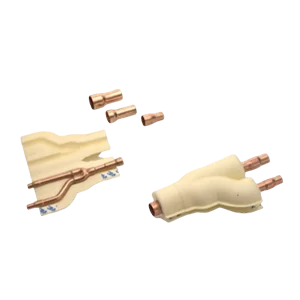
VRF Refrigerant<br> Branch Piping

VRF Refrigerant
Branch Piping

Manufactured for Optimal Refrigerant Flow Distribution in VRF Systems Working on R410 Refrigerant.

View Details
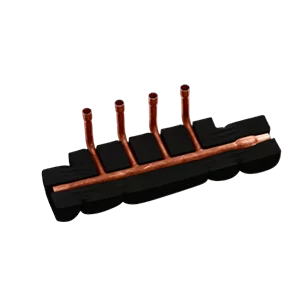
SAM <br> Headers

SAM
Headers

Precision Manufactured VRF Copper Header for VRF Systems Compatible with R410 Refrigerant.

View Details
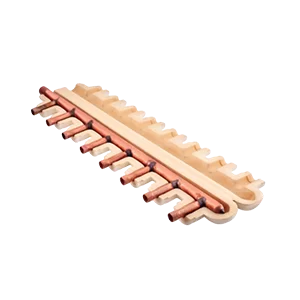
TA <br> Headers

TA
Headers

Precision Manufactured VRF Copper Header for VRF Systems Compatible with R410 Refrigerant.

View Details
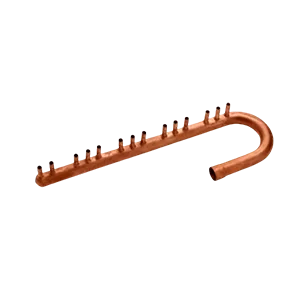
Customized <br> Headers

Customized
Headers

Tailor-Made VRF Copper Header Manufacturing as per Project Requirements.

View Details
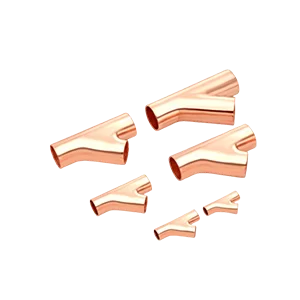
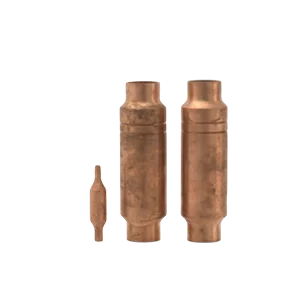
Copper Compression <br> T Fitting

Copper Compression
T Fitting

Versatile Copper Compression T Fitting engineered for leak-free branches in refrigerant line sets.

View Details
Copper Y  <br> Fitting

Copper Y
Fitting

High-flow copper fittings for balanced refrigerant division.

View Details
Copper <br>Strainers

Copper
Strainers

Inline protection against system contamination and debris.

View Details
Copper <br>Mufflers

Copper
Mufflers

Engineered components for reducing operational noise and vibration.

View Details
Copper <br>Stubs

Copper
Stubs

Short-length copper connectors for system integration and brazing.

View Details
Commercial <br>Tees

Commercial
Tees

Heavy-duty fittings for main line distribution branches.

View Details
Copper <br>Tee Joint

Copper
Tee Joint

Engineered for fast, balanced, and leak-proof main line splits.

View Details
Y-Type  <br> Distributors

Y-Type
Distributors

Advanced distributors for precise refrigerant flow management.

View Details
Unbrazed U & Y  <br> Fittings

Unbrazed U & Y
Fittings

Pre-fabricated joints for simplified, on-site assembly.

View Details
Copper Y  <br> Joints

Copper Y
Joints

Durable copper joints for reliable refrigerant flow splitting.

View Details
Tubular  <br> Assemblies

Tubular
Assemblies

Pre-assembled tubing modules for faster, error-free installation.

View Details
EPS  <br> Insulation

EPS
Insulation

Economical, closed-cell insulation for thermal and condensation control.

View Details
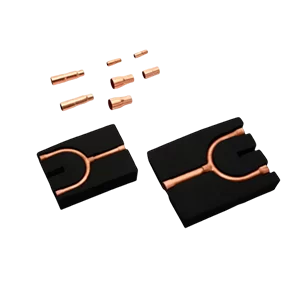
NBR  <br> Insulation

NBR
Insulation

Flexible, fire-resistant nitrile rubber insulation for demanding applications.

View Details
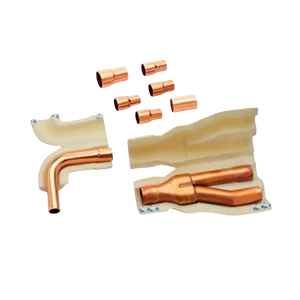
XLPE  <br> Insulation

XLPE
Insulation

Cross-linked polyethylene foam for superior moisture and thermal resistance.

View Details
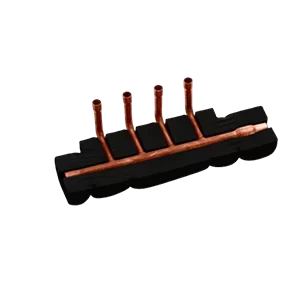
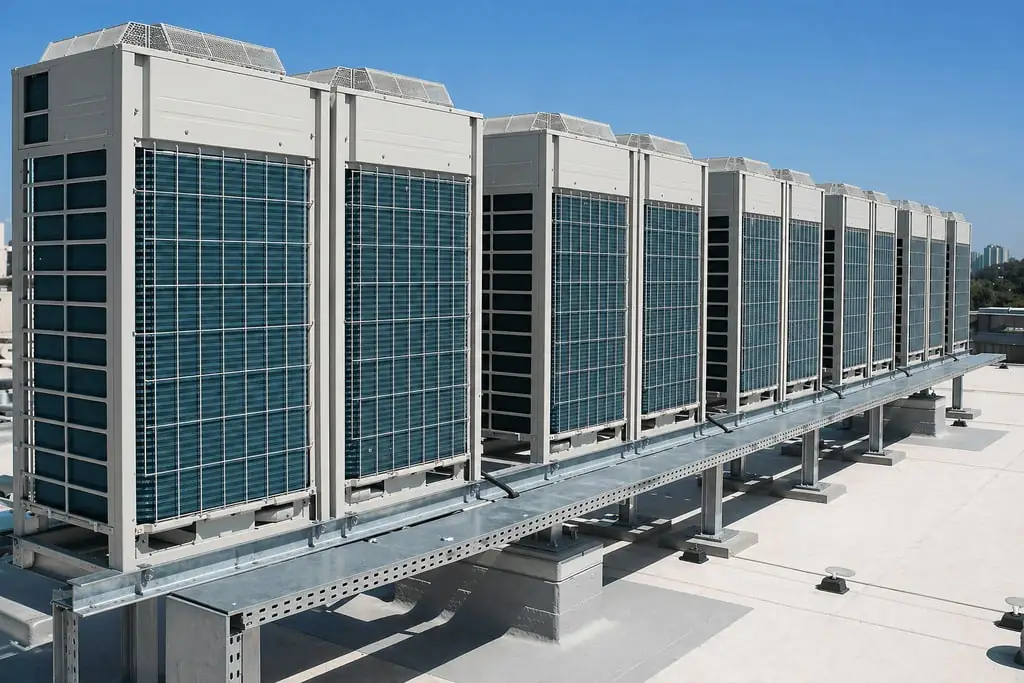
Customized  <br> Insulation

Customized
Insulation

Bespoke insulation solutions cut and tailored to your components.

View Details

Why 227 Enterprise

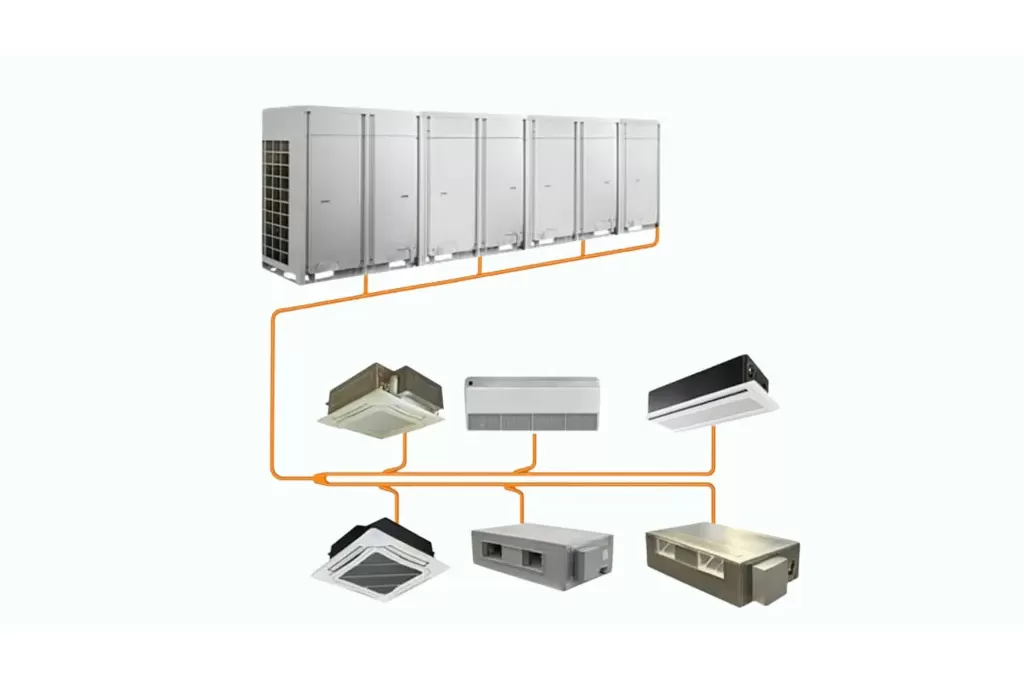
Engineered for flawless compatibility and peak performance, the DA Series from 227 Enterprise is the definitive solution for dividing refrigerant in modern Variable Refrigerant Flow (VRF) systems. This precision kit ensures balanced flow, leak-proof integrity, and simplified installation across major OEM brands, making it the intelligent choice for consultants and contractors who demand reliability.

Testimonial's

Our Blogs

FAq's

What is a strainer?

Think of a copper strainer in an HVAC&R system as a quiet little bodyguard for the equipment. Fitted into the refrigerant or fluid line, it works behind the scenes to trap dirt, metal bits, brazing residue, and other debris before they can reach and harm the more delicate parts of the system. By keeping the flow clean, it helps everything run smoothly, reduces the chances of breakdowns, and ultimately extends the life of the entire setup.

What is the optimal mesh screen size of VRF stuff?

Regarding VRF and the general use of HVAC/R, the standard of the industry and a highly efficient screen is a 100 to 140 mesh stainless steel. The 100 mesh has excellent flow at smattering filter and the 140 mesh has fine filtering giving high protection, 22/7 Enterprise strainers are available with this variation of strainers, having balanced pressure loss with nearly none at all.

Are copper strainers a major obstacle to the pressure drop in the system?

No. One of the copper strainers provided by 227 Enterprise is well designed to provide the best filtering with virtually no pressure drop. This is what is needed to ensure that the efficiency of the system and flow of refrigerants are where they need to be. Large reduction in pressure would reduce capacity and increase energy consumption.

Do you have strainers that are compatible with R410A and R32 refrigerants?

Absolutely. Our copper strainers are constructed using quality materials that are compatible with all the current refrigerants, such as the R410A and the R32. It is able to cope with pressure and chemical loads of long-term service.
What is the advantage of a one-piece copper construction as compared to a take-apart one?

Brazed copper constructions in the form of one piece provide leak-proof construction. It eliminates the weak points such as threaded joints or seals that may become corrupt. The design is ideal in OEM production and permanent field construction where the structure should remain solid unlike in serviceable filter-driers which do not have their role.

Which is the appropriate strainer size of my piping?

Adjust the outer diameter of the strainer to your size of liquid line pipe. We get strainers in typical sizes of refrigeration tubing ( 1/4-5/8 OD ). The next thing that is always to be done is ensure that you check your system piping diagram and consult your engineer or technician in order to select the right size to flow well and fit.

What does it mean by nitrogen purged and why is this important?

It is manufactured by flushing the inside of the strainer with nitrogen gas and then sealing it, during manufacturing. This prevents the development of a copper oxide scale (black powder) within. It indicates that what you fit in is clean on the inside thus it will not cause any dirt to your awesome system.

Is a strainer practical in place of filter-drier in a system?

No, a strainer is not a practical replacement for a filter-drier. A strainer only removes solid particles from the refrigerant line, whereas a filter-drier removes both contaminants and moisture from the system. Since moisture control is essential for system reliability and compressor protection, a filter-drier remains a necessary component in HVAC&R systems.

What are the certification of 227 Enterprise strainers?

We have stringent rules of international quality. We are RoHS (Restriction of Hazardous Substance) certified and therefore are environmentally-friendly. The quality system is also comparable to those of CE marking, which demonstrate our concern regarding safety and performance in the global market.

In which part of the refrigerant line shall the strainer be fitted?

In most systems, the strainer is placed in the liquid line, right before the expansion valve or other delicate control components. The idea is simple: catch any dirt or small particles at that point, so they don’t travel further and end up damaging parts that are more sensitive and costly to replace.